
We're building a different kind of education platform
Most online courses give you theory and expect you to figure out the practical application yourself. That never made sense to us. We started Halintos Torandro because we wanted something more direct — courses where you actually see the work being done, understand why each decision matters, and learn the specific techniques that separate competent work from exceptional results in hair texture modification and treatment.
Where this started
Three of us were sitting in a break room after a particularly frustrating continuing education workshop. The instructor had shown us before-and-after photos of texture work, talked about "precision" and "understanding the hair," but when someone asked about the actual sequence of product application, the answer was vague.
We'd all been through this before. Workshops that promise advanced techniques but deliver surface-level overviews. Courses with impressive portfolios but no clear explanation of how those results were achieved. The gap between "here's what's possible" and "here's exactly how to do it" felt enormous.
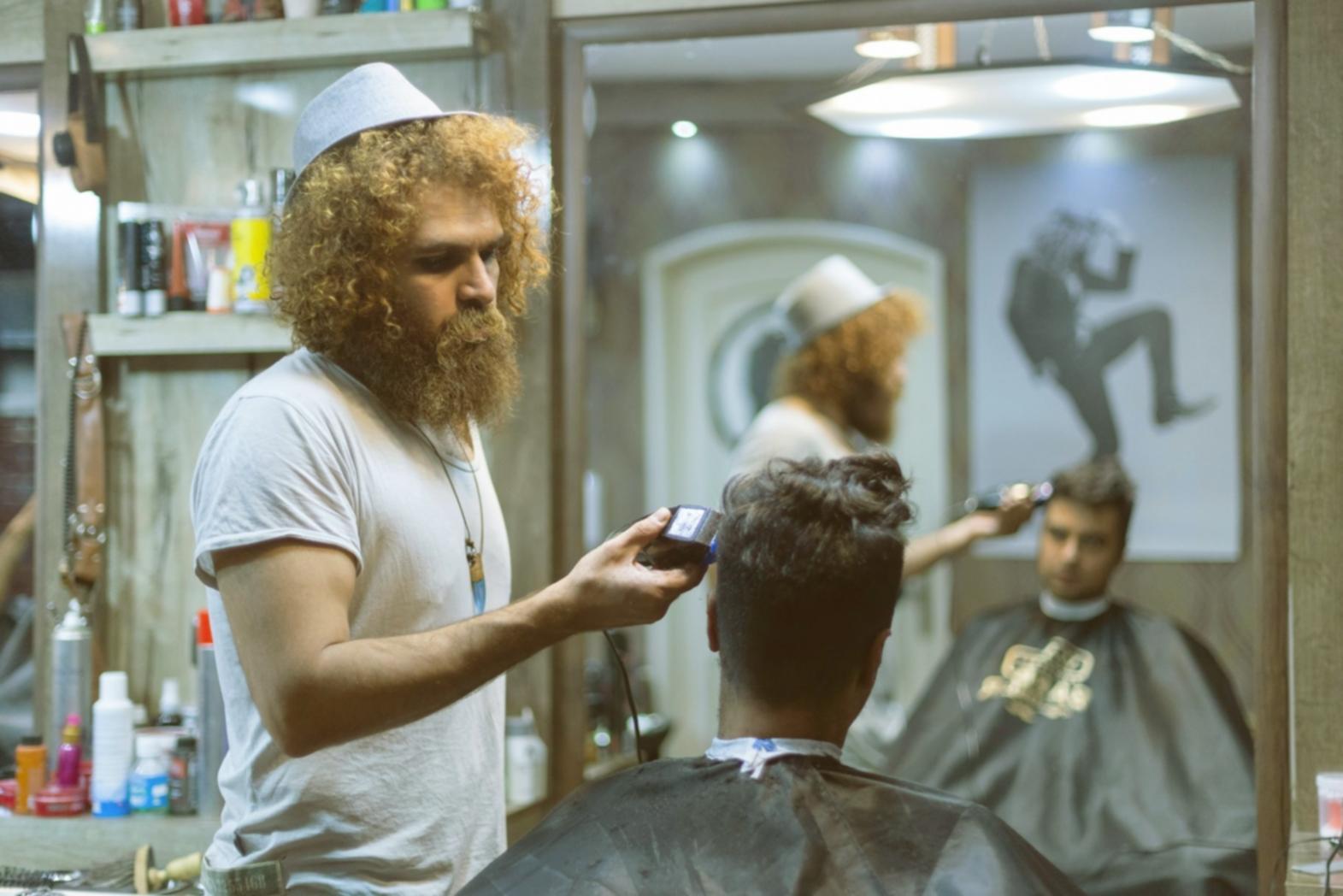
So we started recording our own work sessions. Not promotional videos — actual footage of color correction on severely damaged hair, texture modification on mixed porosity sections, the kind of scenarios where you need to make calculated decisions under time pressure.
Those recordings became reference materials for our team. When someone encountered a tricky situation, they'd review the relevant footage and see not just the technique but the reasoning behind timing adjustments, product selection, damage assessment.
How we got here
Founded the platform after realizing our internal training videos were more valuable than most paid courses we'd purchased. Started with twelve recorded sessions covering chemical restructuring protocols.
Founded the platform after realizing our internal training videos were more valuable than most paid courses we'd purchased. Started with twelve recorded sessions covering chemical restructuring protocols.
Expanded to cover keratin treatment variations and curl pattern modification. Brought in specialists who'd spent years working with specific texture types and could explain the chemistry behind their technique adjustments.
Expanded to cover keratin treatment variations and curl pattern modification. Brought in specialists who'd spent years working with specific texture types and could explain the chemistry behind their technique adjustments.
Running masterclasses that show complete treatment sequences from consultation through final styling. Each course includes multiple real-world scenarios with different hair histories, damage patterns, and client expectations.
Running masterclasses that show complete treatment sequences from consultation through final styling. Each course includes multiple real-world scenarios with different hair histories, damage patterns, and client expectations.
Who teaches these courses
We work with professionals who've built their expertise through years of focused practice in specific areas of texture work and chemical treatment. They're not influencers or brand ambassadors — they're the people other stylists call when they need advice on complicated cases.
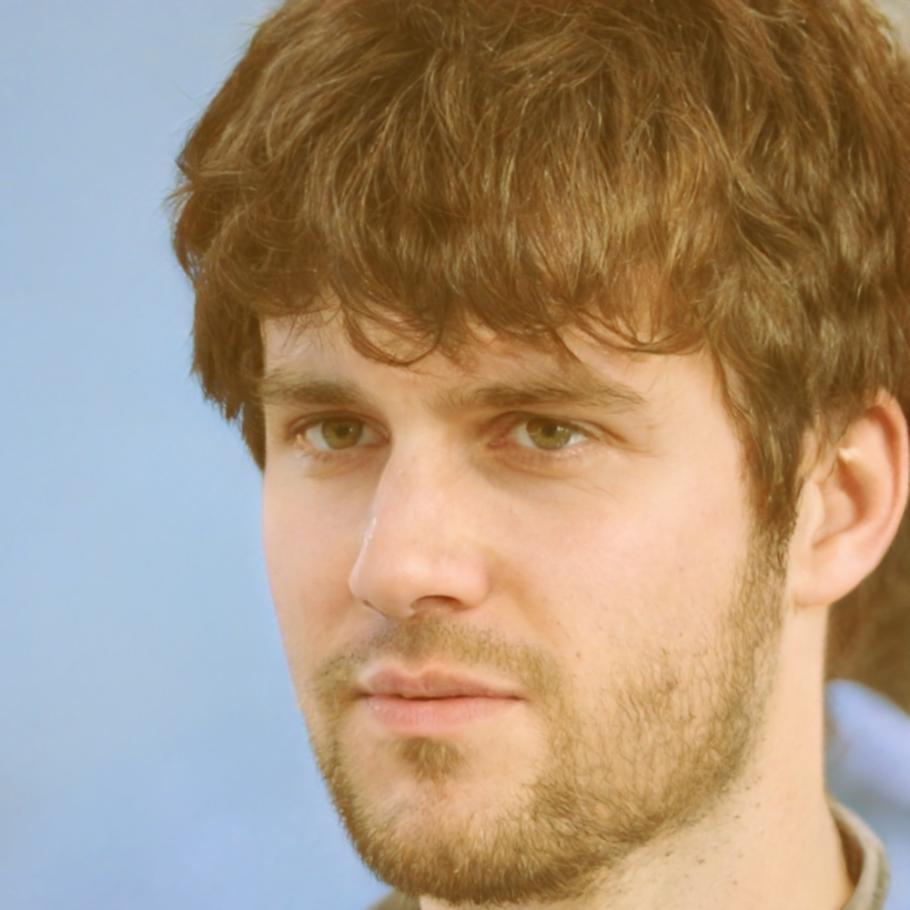
Viktor Sheremet
Texture Modification Specialist
Spent eleven years developing protocols for curl pattern alteration on previously treated hair. His approach focuses on preserving structural integrity while achieving significant texture change. Teaches the assessment methods he uses to determine realistic outcomes before starting treatment.
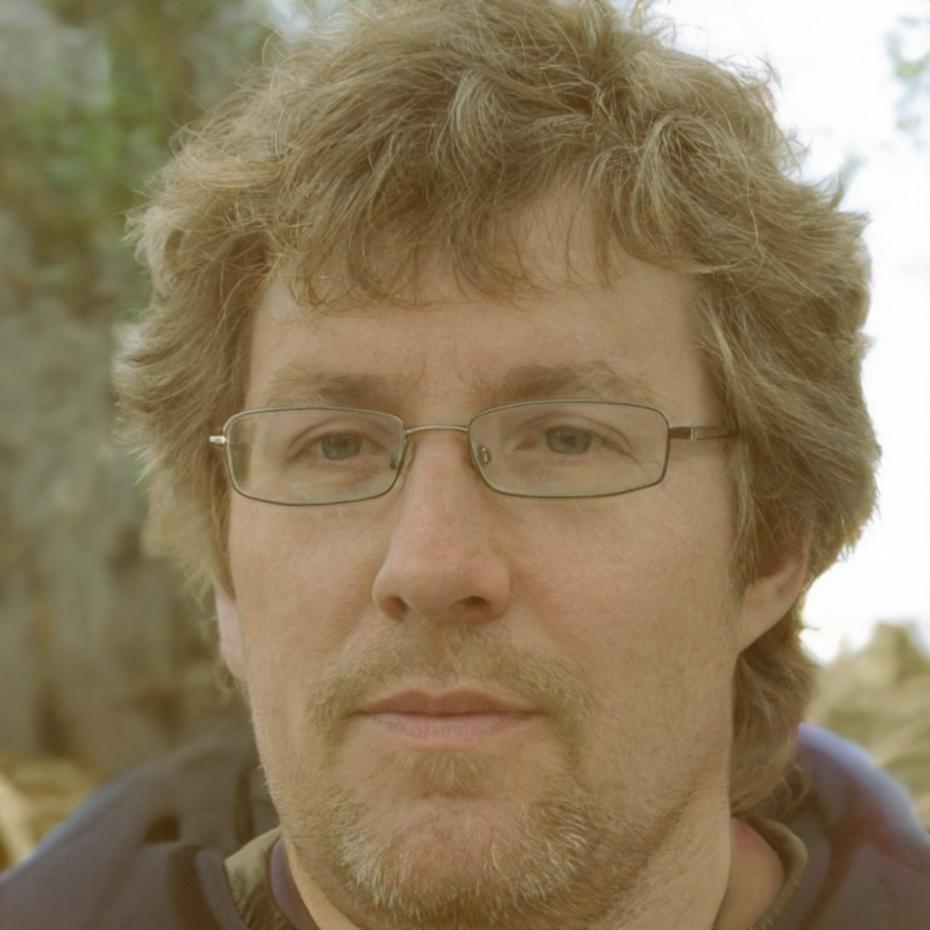
Dmytro Kovalenko
Chemical Treatment Protocols
Develops treatment sequences for damaged and chemically-processed hair. His courses cover the decision-making process for product selection, timing adjustments based on real-time hair response, and damage limitation strategies when working with compromised hair structure.
How we approach course design
Complete demonstrations
Film entire treatment processes from initial assessment through final result. You see timing decisions, product application techniques, and adjustments made based on how the hair responds during treatment.
Explained reasoning
Instructors narrate their decision-making process throughout each procedure. Why this processing time instead of that one, what indicators they're watching for, how they'd adjust if certain signs appeared.
Real case variety
Multiple scenarios per topic showing different hair histories, damage levels, and starting conditions. Learn how techniques adapt when variables change rather than memorizing one ideal-case procedure.
What makes these courses different
You see actual work, not edited highlights
Courses show complete processes including the moments when things don't go exactly as planned and how experienced practitioners adjust. The reality of professional work rather than the sanitized version.
Specific techniques with clear explanations
Detailed breakdowns of application methods, sectioning patterns, timing sequences. The kind of precision you need when the difference between good results and damage comes down to processing time adjustments of five to ten minutes.
Assessment skills and protocols
Learn the evaluation process that happens before any product touches hair — porosity testing, damage assessment, realistic outcome determination. The consultations that prevent problems rather than creating them.

Active Courses
Students Enrolled
Hours of Content
Expert Instructors